Martin Parr
Art Review magazine, September, 2003
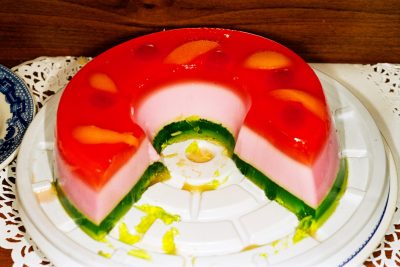
Martin Parr is perhaps the most visible and distinctive figure working in photography today. Never one to confine himself, he moves tirelessly between photo shoots, curating, writing, collecting, editing, publishing and promoting. Each and every project is conceived with his signature style for high impact. So much so that “Martin Parr” is fast becoming something of a brand. Given that his lifelong subject has been consumer culture, this is not without a certain irony.
Parr is the first British photographer to have become a household name since David Bailey, but the two couldn’t be further apart. You would be hard pushed to find a celebrity in the whole of Parr’s back catalogue. His is an art of the everyday, even when his camera finds itself in the rarified world of fashion. Where Bailey was the working class hero scrambling up the social ladder, Parr is the middle class boy for whom everything in culture is equally interesting. Bailey became an arbiter of taste. Parr has a taste for the arbitrary.
For three decades Parr has submerged himself in the ephemera of daily life, only to become more visible than ever as a media figure. The British in particular seem to prefer to be guided around their popular culture. Attracted but repelled, they are unsure how to deal with the raft of visual flotsam left in the wake of life lived in a world of images, products and images of products. For many, Parr is something of an unofficial ambassador of all this, an archivist of the recently forgotten. This has its risks. When they like what Parr shows them, they like him. When they don’t, he takes the blame. Parr replies: “Don’t shoot the messenger.”
His camera often moves in very close to frame contemporary commodities and surfaces with an unflinching tenacity. His flash picks them out with a Pop artist’s sense of awkward wonder combined with a sociologist’s taste for the symbolic hidden in the mundane. The result has been a barrage of robust images able to work in any context. He has often spoken of himself as a promiscuous photographer. Anything but a purist, he understands that a contemporary photograph can exist in any number of ways, often at the same time. Magazine page, glossy art book, postcard, fridge magnet, poster, laser copy, on television, on computer screens, as limited edition prints and billboards – Parr works in every format and each is approached with due irreverence.
In 2003 Parr’s project Common Sense, was the final room of Tate Modern’s first major photography show Cruel and Tender. A suite of huge, garish prints smothered the high walls. It was a dreamscape and nightmare of sticky buns, tourist kitsch and loud fashion. Many thought it was out of place in such a hallowed gallery. “I know” he said to me. “It’s great isn’t it!”
Aside from his own work Parr champions the work of photographers he admires. Last year he curated the photography festival in Arles to great acclaim. It presented many new photographers, such as Rinko Kawauchi, along with figures from the medium’s rich past. He has a high regard for the anonymous too. He has offered us three volumes of Boring Postcards (that crucial little adjective in the title made the books a runaway success). There have been shows of his hoard of photographically illustrated tea trays and bling watches bearing the face of Saddam Hussein scavenged from eBay, the global garage sale that has revolutionised popular collecting. There is even a Martin Parr collection of photographically illustrated plastic bags. In the near future it may see the light of day (or at least the light of a gallery), along with clothing and towels also bearing photos.
Beyond his presence in exhibitions it is the page that is Parr’s first love. This is the space he understands best. Highlights from his monumental collection of twentieth century photographic books form the backbone of the The Photobook: a history (Phaidon Press). He has published over thirty books of his own work too. Yet, for a working documentarist Parr’s photography has become less and less visible in magazines. Both he and the glossies have slowly moved away from such socially minded work, as lifestyle advertorials have begun to suffocate contemporary culture.
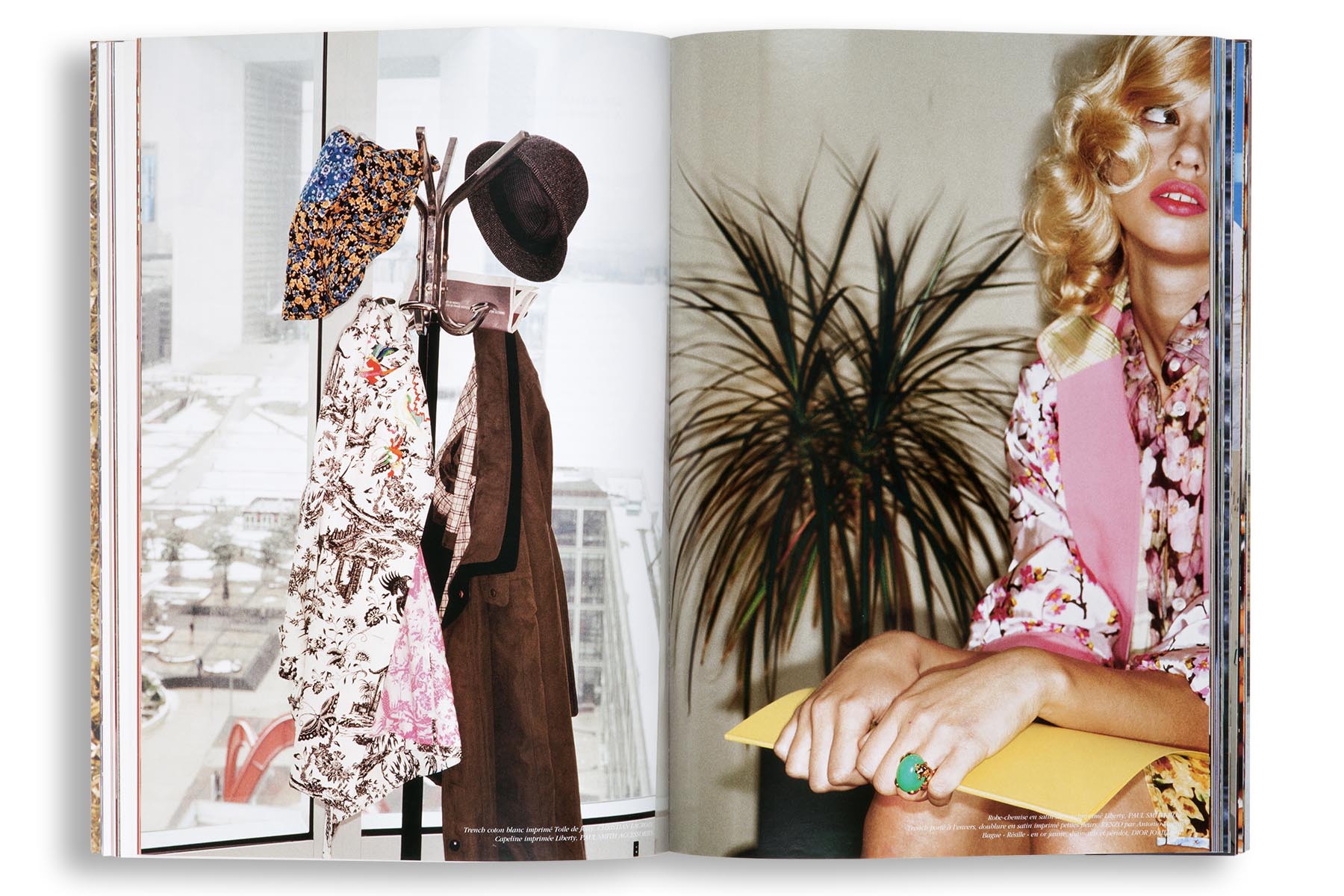
Martin Parr, Fashion Magazine. Published by Magnum Photos, 2005
Recently Parr returned to the magazine form in his own inimitable style and with that flair for saturation coverage. In May there are to be shows of his fashion photos at the Bon Marché in Paris and Rocket Gallery in London. At the same time the one-off issue of his ‘Fashion Magazine’ is launched. It showcases many of his fashion projects past and present, featuring everything from Essex Girls to backstage exposés. He has also shot all the adverts himself and assembled the editorial content. The pluralistic, magpie world of fashion is remade as a one-man band.
Parr’s magazine certainly has a laugh at the expense of high fashion but it is gentle laughter. He shows the ridiculousness of the business, while oiling its wheels at the same time. The glamorous women are shot in the kinds of greasy cafés, seaside tourist spots and shopping aisles that are the bedrock of his documentary work. The models are juxtaposed with everyday folk dressed in the compromises the rest of us wear. But throughout it all Parr has his own agenda. He is a fascinated documentarist at heart. His work reminds us that it is when fashion imagery opens less on to art than on to sociology that it can transcend itself just a little. In the right hands it becomes a commentary as uneasy as it is engaging.
Like modern consumers, Parr has no problem having his cake and eating it. This is what makes his images signs of our times. It is said that we get the art we deserve. For good or bad we deserve Martin Parr.