HARD COPY ARLES
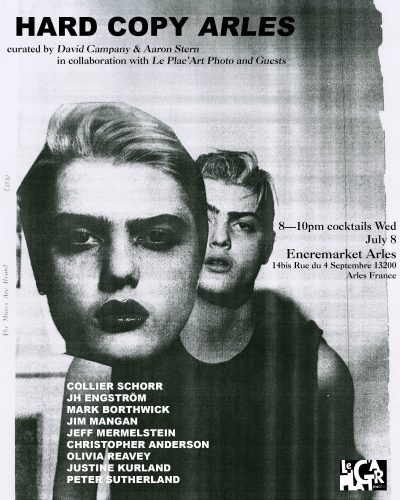
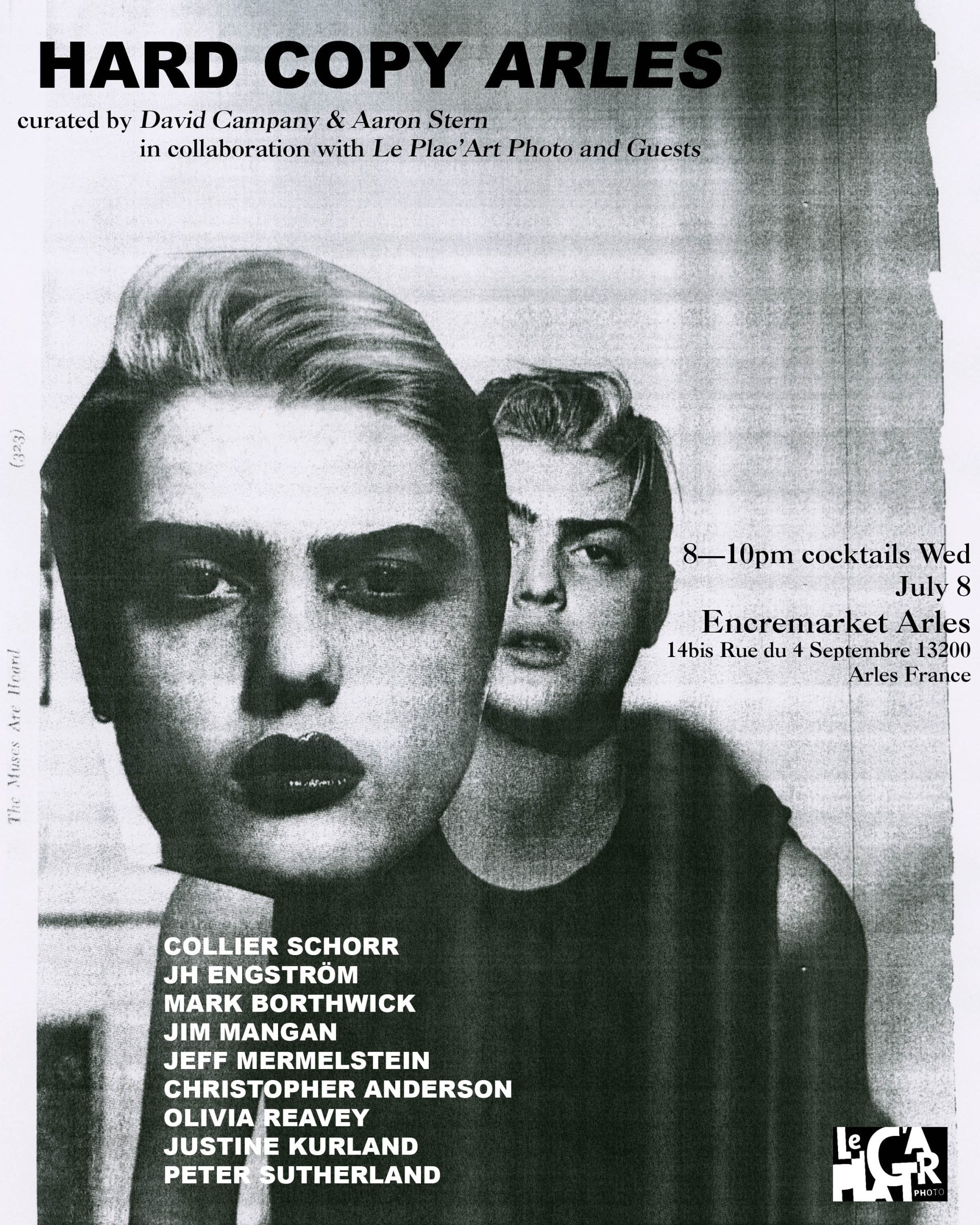
Encremarket, Arles July 6-12, 2026








Hard Copy, Soft Touch
An Interview with Aaron Stern and David Campany

Aaron Stern and David Campany dialled in from their respective hotel rooms the night after Hard Copy opened in Arles. Although that iteration of the exhibition has now closed, the questions it raised around reproduction, authorship, materiality, access and the value assigned to images extend well beyond the show itself. They resonate with photographers, artists, editors, curators and, more broadly, anyone whose daily life is shaped by the production and circulation of images. Which is to say, pretty much all of us.
Stern is a New York-based photographer, curator and publisher who has spent years exploring photography as both image and object. Campany, the Creative Director of the International Centre of Photography in New York City, has spent much of his tenured career devoted to writing, teaching and curating around the medium. Together, they developed a major iteration of Hard Copy at ICP in 2026. The exhibition considered what happens when photographic images are removed from the conventions of the fine print and reinterpreted through a once-common reproductive technology in a museum setting.
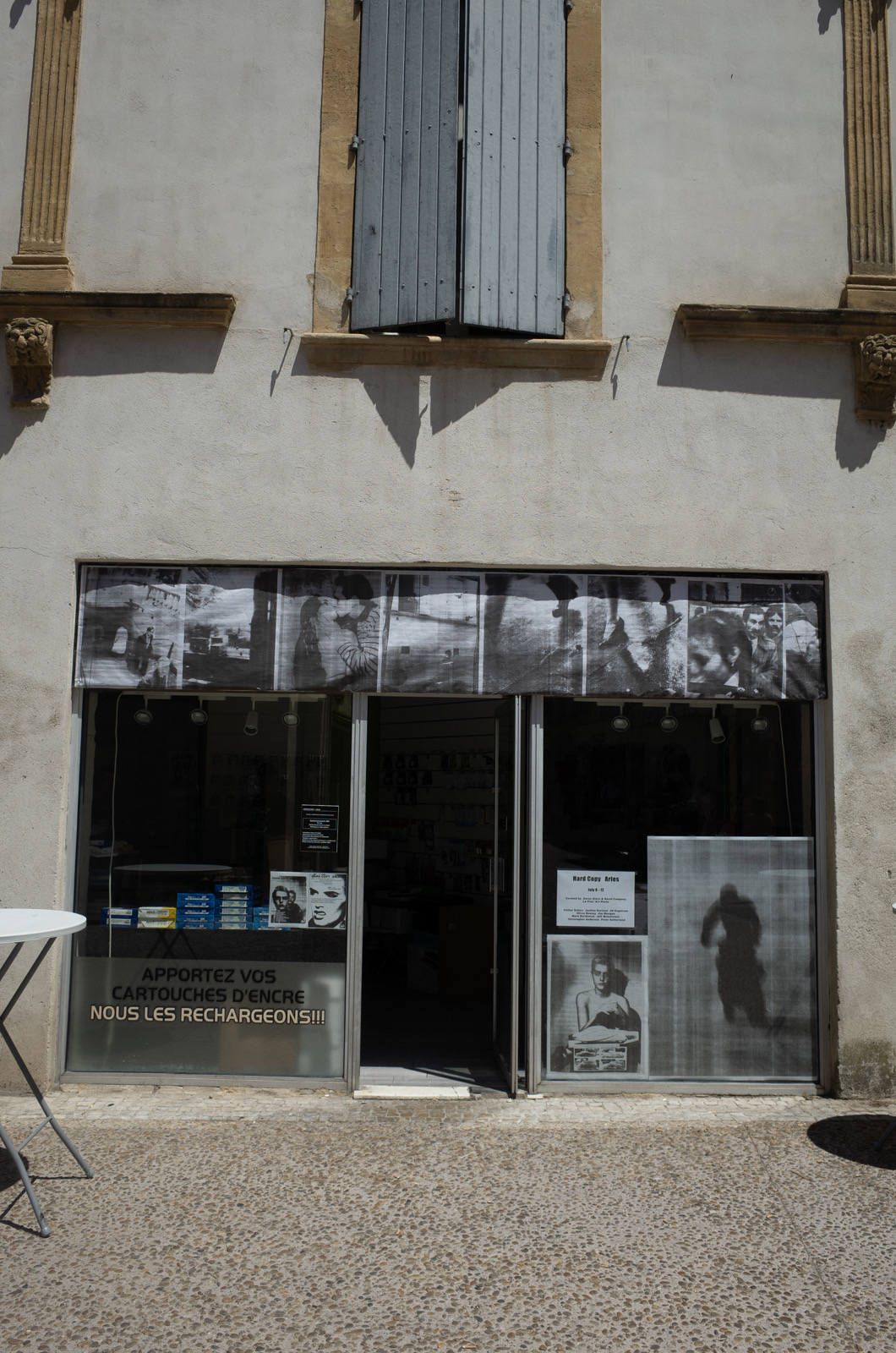
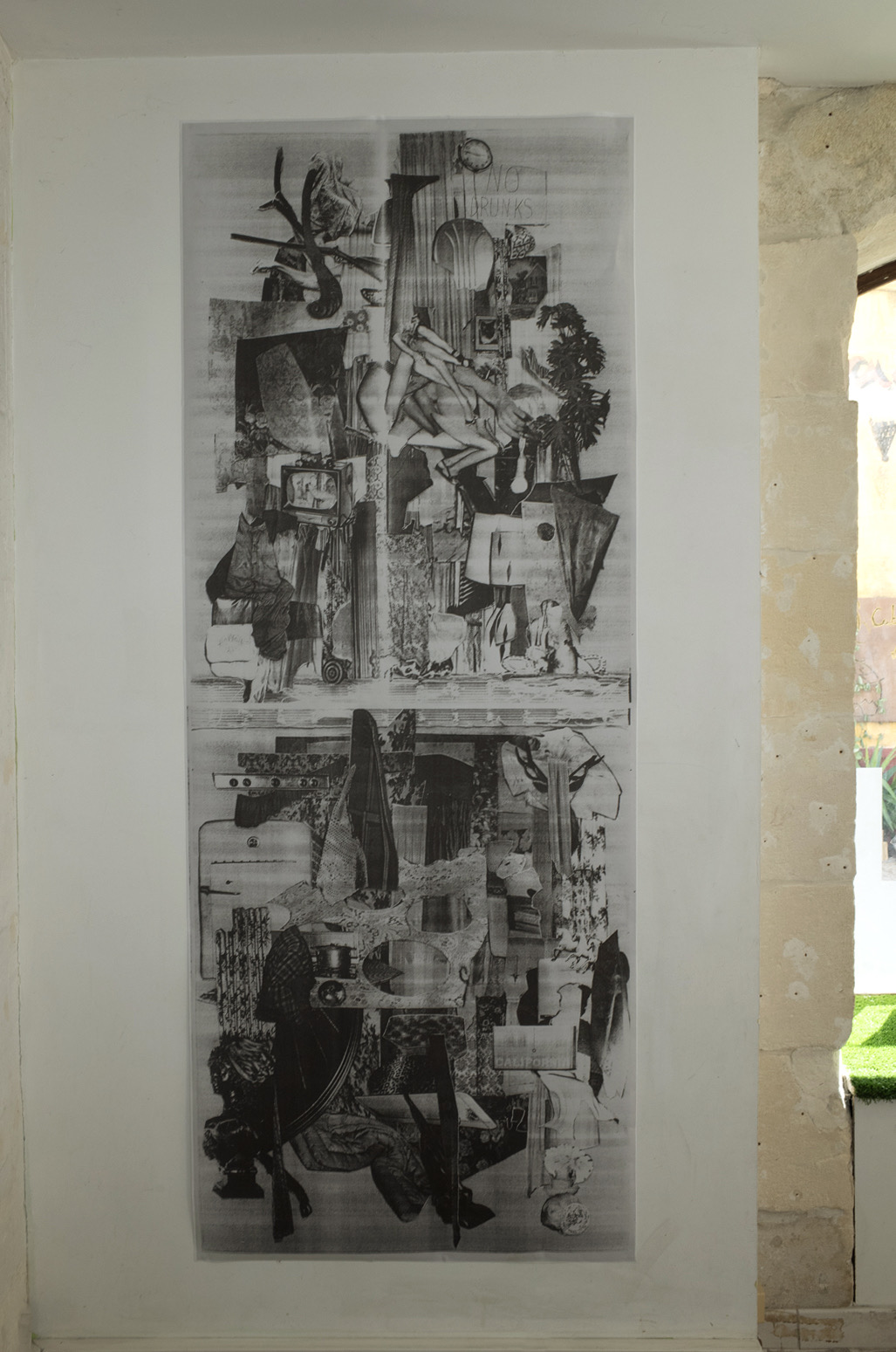
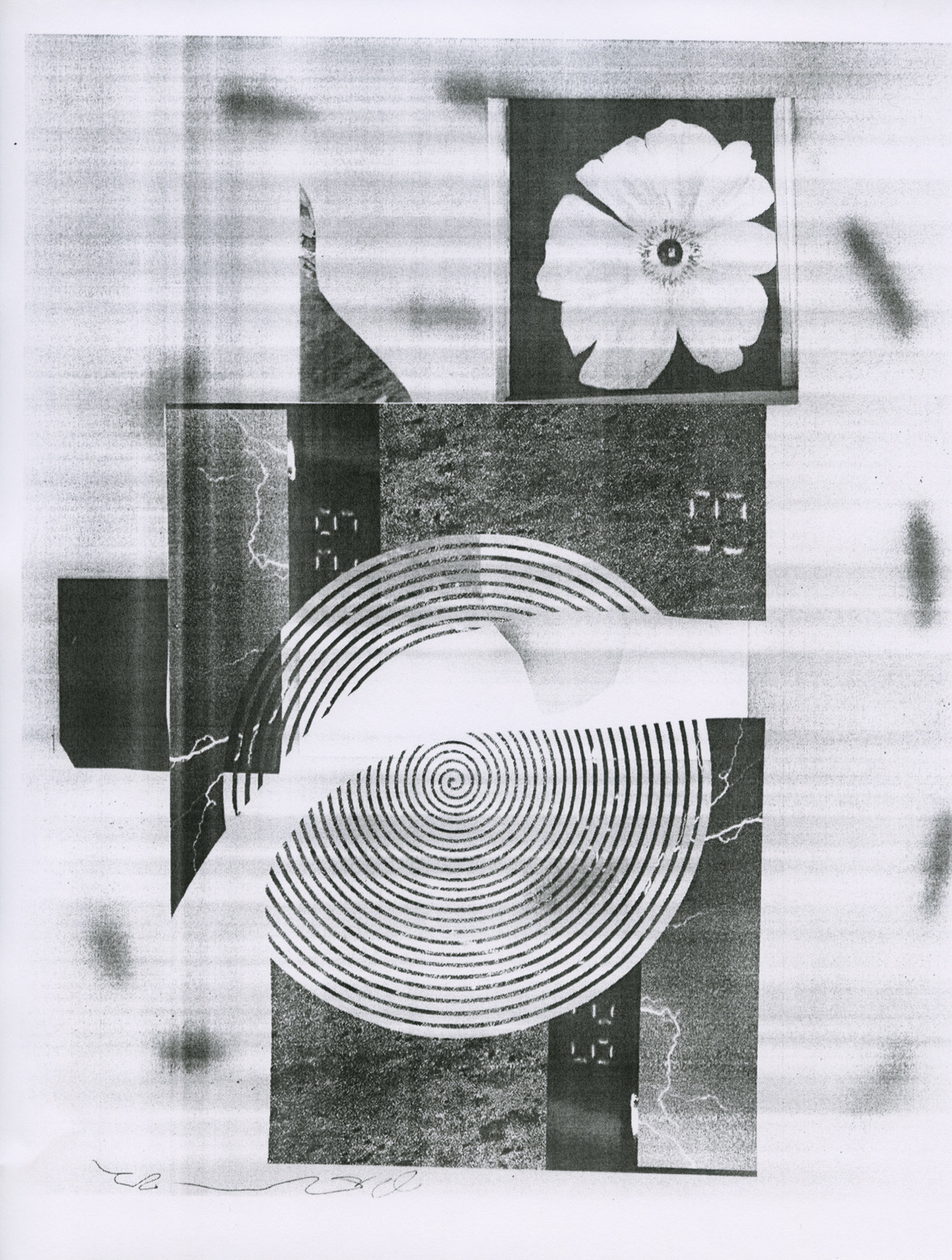
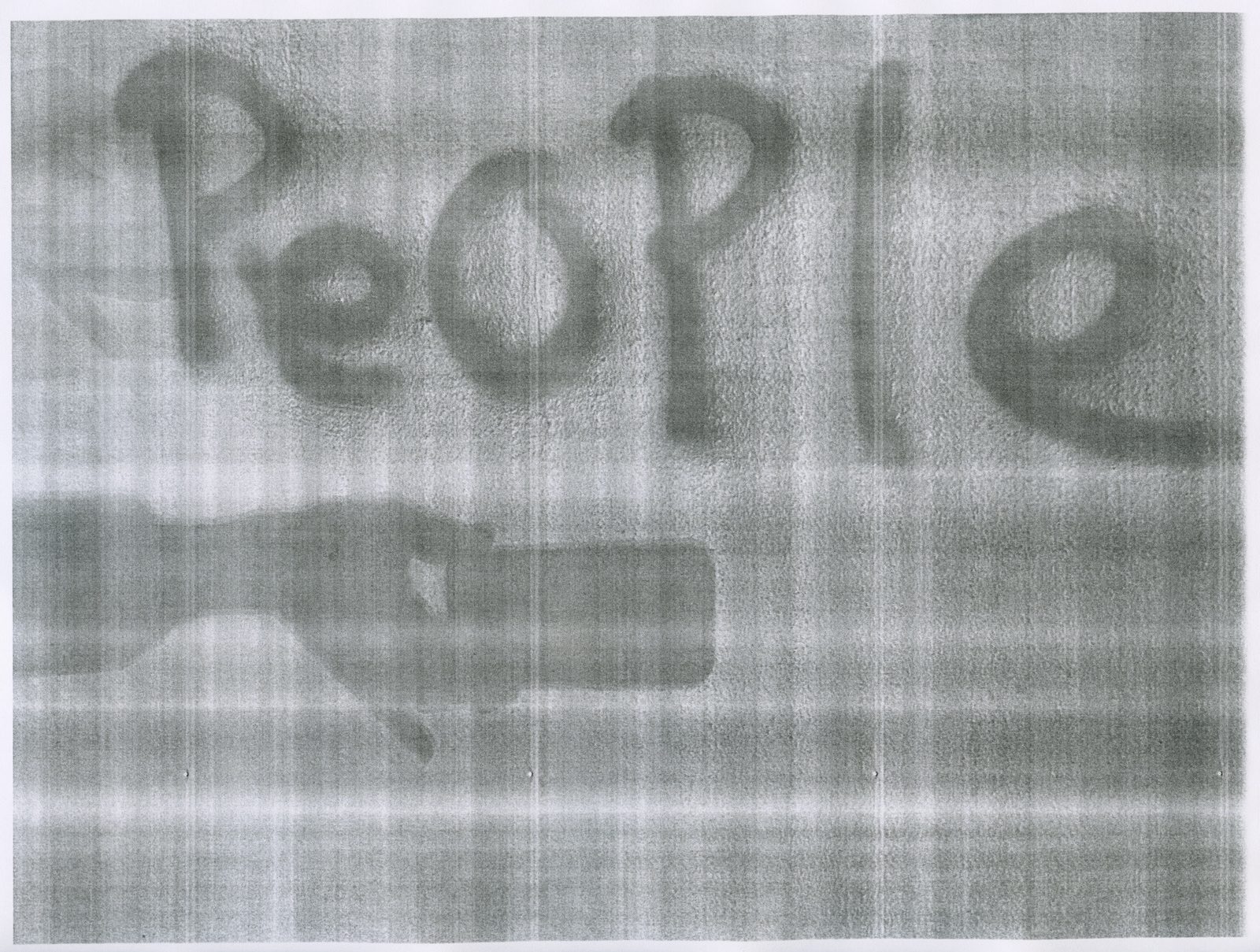
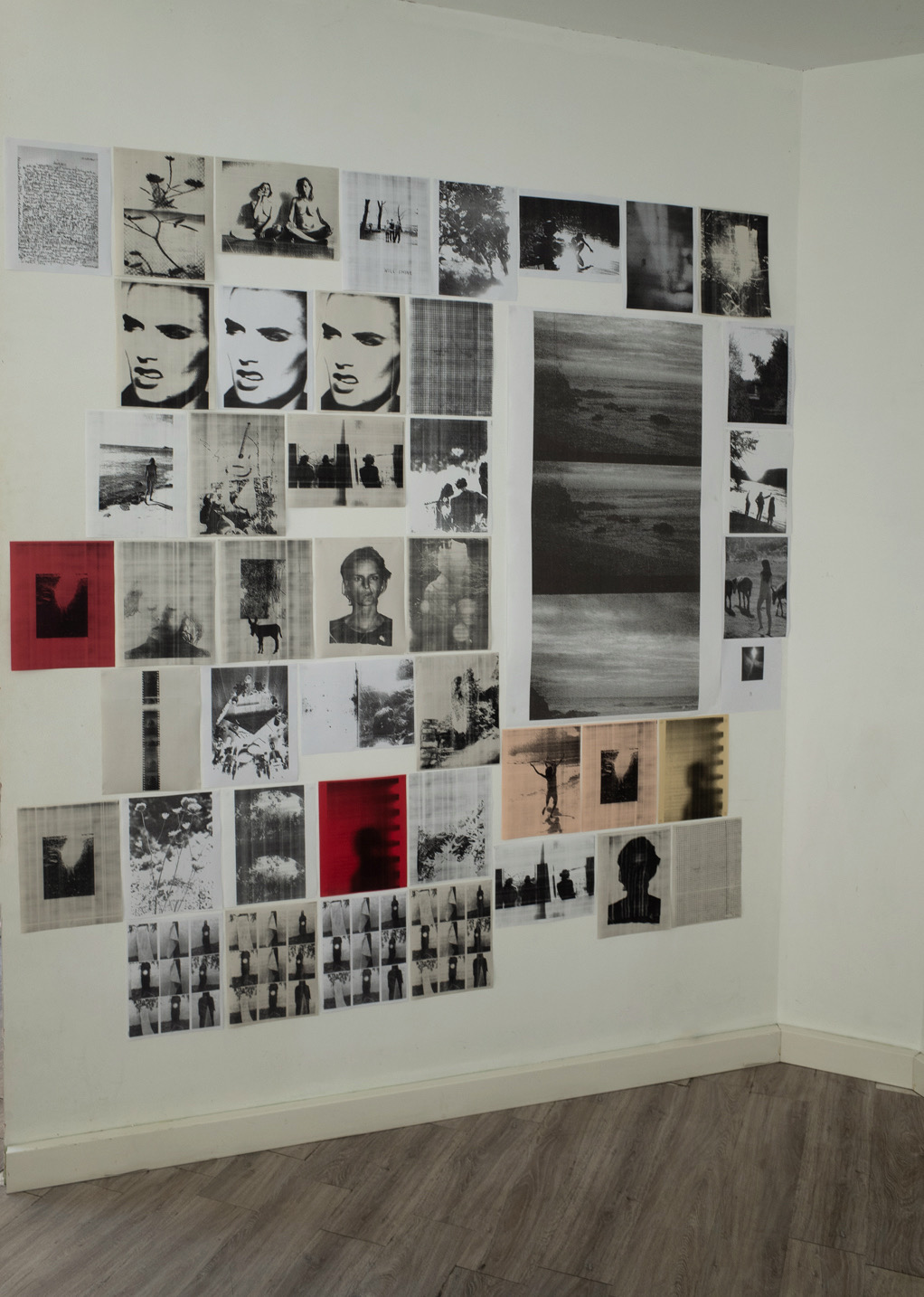
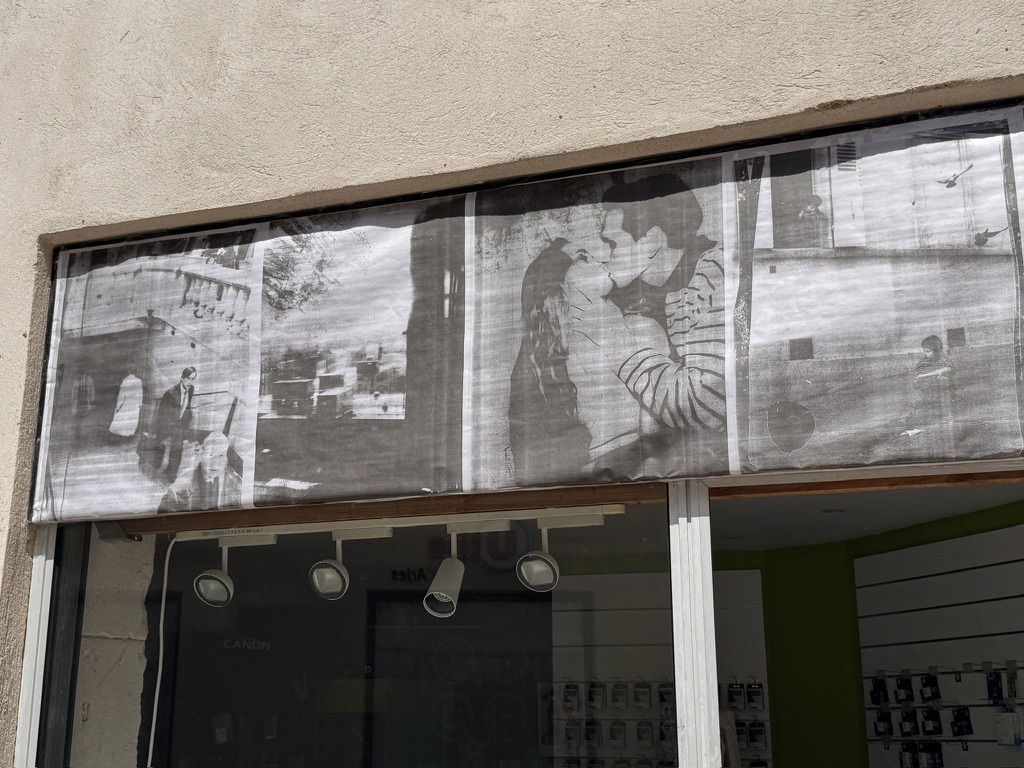
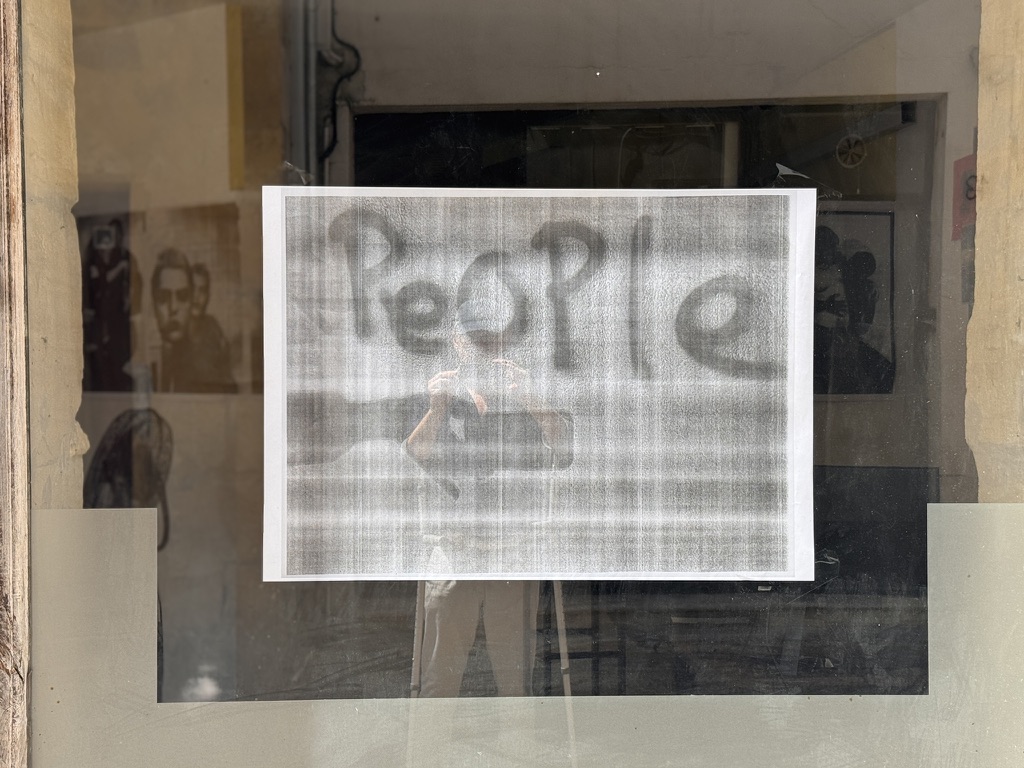
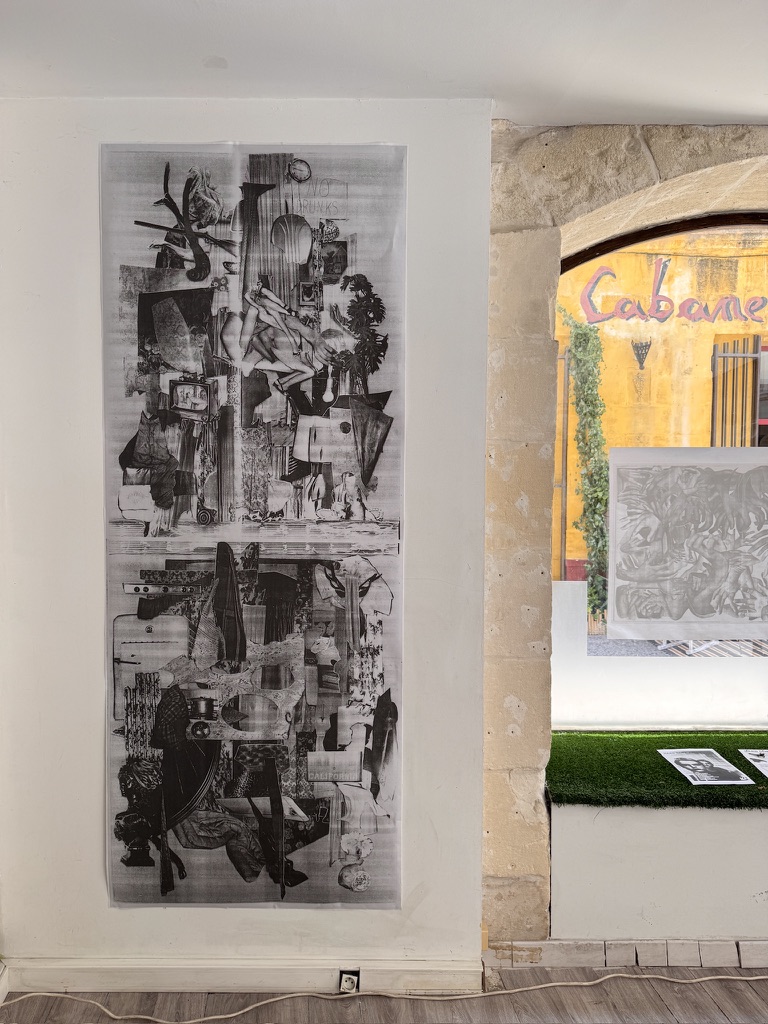
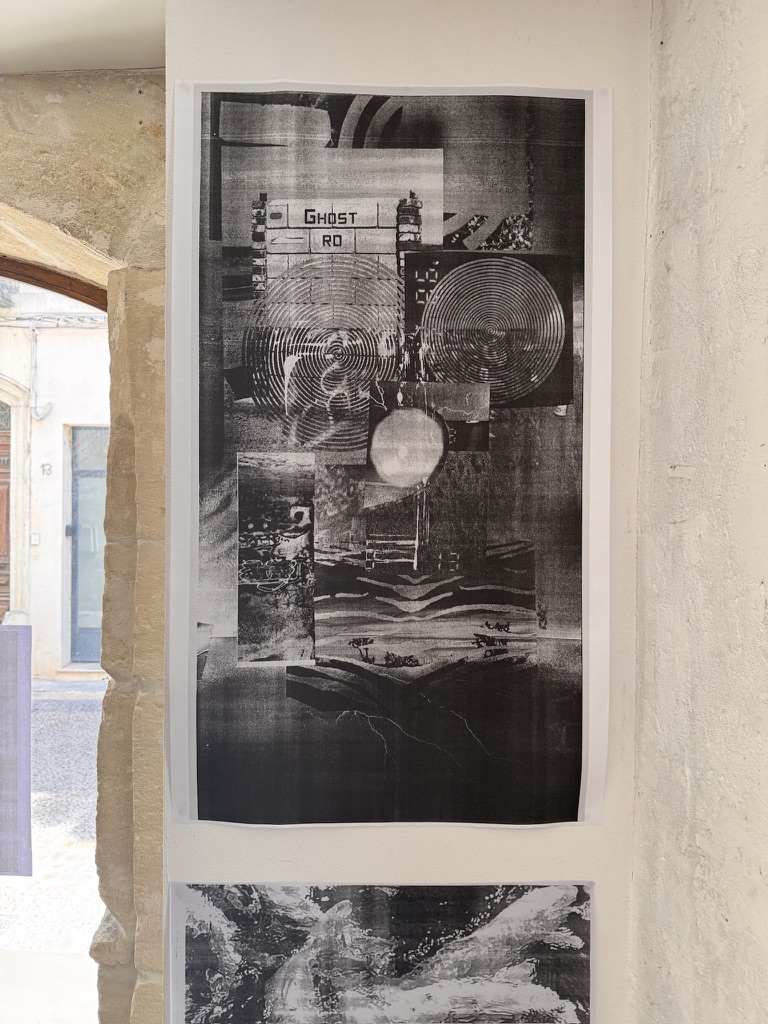
Across its various forms, Hard Copy brings together Xerox reproductions of work by established and emerging image-makers, including Gray Sorrenti, Daniel Arnold, Takashi Homma, Asako Narahashi, Mark Borthwick, Collier Schorr and Stephen Shore. At ICP, the exhibition featured fifteen artists and ranged from modest grids of images to murals extending more than 50 feet. For the show in Arles, in collaboration with Le Plac’Art Photo, nine artists were presented within the less conventional setting of a copy shop, where the photocopies were pinned directly to the walls without glass and, in most cases, without labels.
Stern and Campany have both dedicated their lives to thinking about why certain photographs endure, how audiences encounter them and what changes when they move between formats. Here, they offer some insight into that commitment and into the possibilities that emerge when the image, rather than the name, the price or the canon, comes first.

RACHEL WEINBERG How did the exhibition in Arles come about?
AARON STERN A friend of mine, Clément, owns a great bookstore and small gallery in Paris called Le Plac’Art Photo, in the 6th arrondissement. He had asked me a couple of times about bringing the show to different venues, and then he found a copy shop in Arles that was willing to rent us half the space. He asked whether I would bring the exhibition there, so I spoke to David to see what he thought. We agreed that it felt a little kitschy and on the nose but also fun.
DAVID CAMPANY I come to Paris regularly and have previously presented exhibitions as part of the festival here. The practice of photography curating can vary enormously. At one end, there are major exhibitions with substantial budgets that take years to research; at the other, there are projects like this, which are closer to a pop-up and can come together quite quickly. It is refreshing to move between the two.
RW When did you first meet each other?
DC I had seen Aaron’s Hard Copy exhibition in Los Angeles and suggested that we collaborate on a larger exhibition along similar lines at ICP in New York, where I am Creative Director. That exhibition closed fairly recently and brought together fifteen artists, with works ranging from 52-foot-long murals and large-scale enlargements to smaller grids of photographs. It was a great success for us curatorially, and it also resonated strongly with the public. When a project generates that kind of energy, you naturally want to keep it going. Aaron is accustomed to iterating the project in different ways, which is very much in keeping with the philosophy of photocopying.
JASMINE PENMAN Aaron, you have been developing Hard Copy since 2024 and working with alternative photographic printing processes for more than a decade. What was it like to open the project up and collaborate with David?
AS It was a dream. I had been working alone for years, so the opportunity to collaborate with someone like David, with his knowledge and experience of exhibition-making, was both a pleasure and an incredible learning experience. I was used to doing everything myself, and having a creative partner was transformative.
The ICP platform itself also made the experience very different. Most of my previous exhibitions had taken place in small galleries or unconventional spaces. The first iteration of Hard Copy, for example, was presented on a raw, unfinished floor of a co-working building called WSA. That was a great experience, but working with ICP allowed the project to operate on an entirely different scale.
It also brought the project to a different audience. Previously, I had been presenting the work primarily to my own community; at ICP, it reached both my audience and the museum’s, which was important.
DC The exhibition was presented alongside two exhibitions with much more classical forms of display, including framed works and fine prints. One focused on Eugène Atget, the late 19th- and early 20th-century French photographer, while the other brought together two contemporary photographers from Côte d’Ivoire. Both were presented in a highly polished and formal way.
For audiences moving through the museum, it was exciting to shift from vintage prints dating to around 1910, turn a corner and enter an exhibition of photocopies pinned directly to the wall. You could physically feel the change in register while recognising that this was still photography. That kind of unexpected encounter is how you begin to shift the culture.


RW I wanted to ask what made photocopying feel worthy of exhibition as a medium. It is a process we all recognise and understand, yet, as you described, it creates a certain tension when encountered within a traditional museum space. Why do you think it produces that effect?
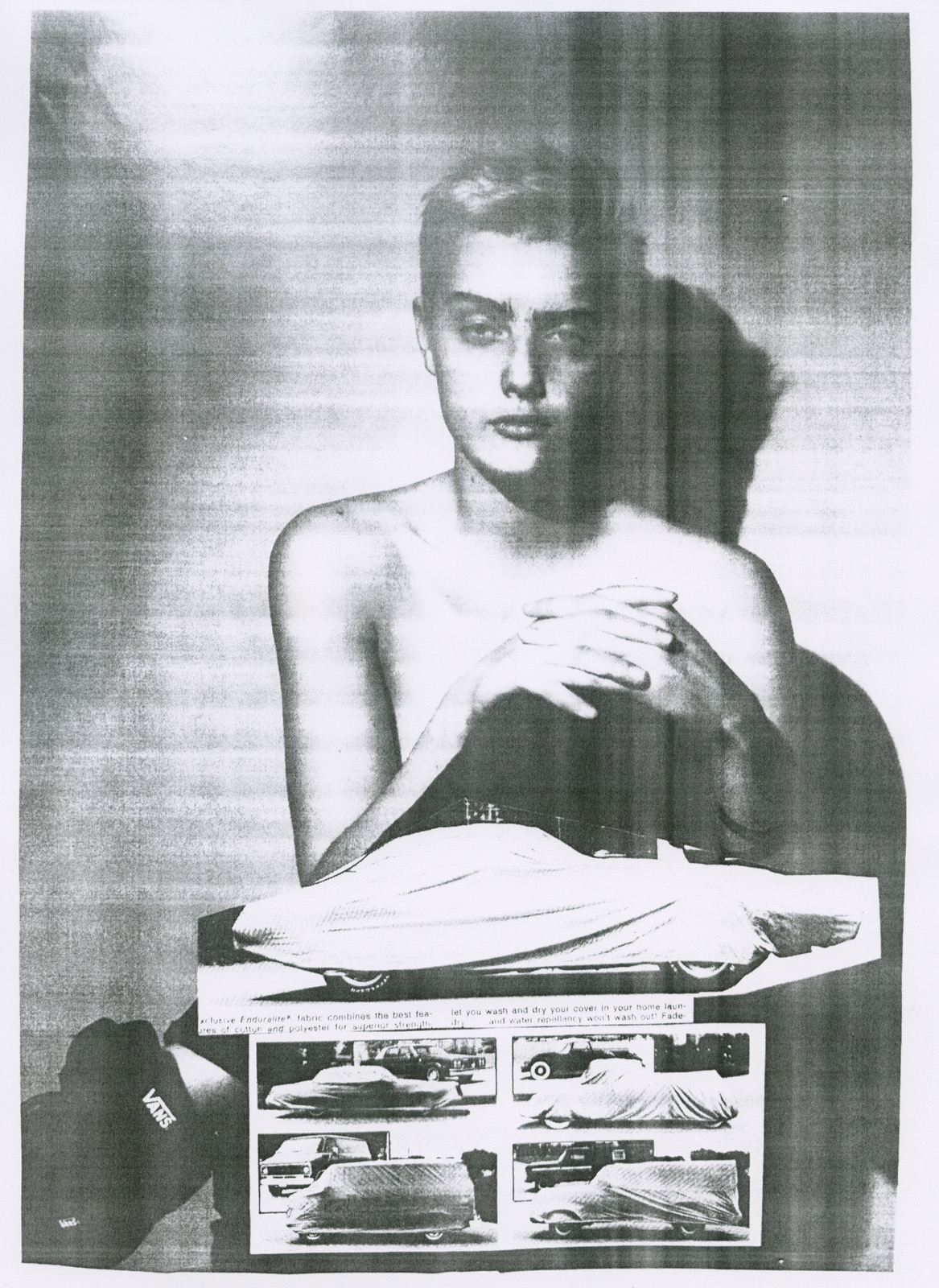
DC I have always approached photography as an inherently reproductive medium. Museum culture has established the idea of the fine print, but photography has always encompassed a broad range of imaging practices and technologies. Photocopying is not new. The technology dates to the 1940s, and artists have been working with it for decades. For someone aged 25 or younger, however, a photocopier may be almost as unfamiliar as a Polaroid camera. It is not quite retro or obsolete, but it carries traces of both. There is also something fundamentally levelling about the process. None of the works were originally created to be photocopied. That introduces multiple layers of authorship and raises questions about how a photographic image can be reproduced, transformed and understood. Those limitations are part of what makes the medium so interesting. Much strong creative work emerges from encountering a constraint and asking what can be achieved within it.
I have always been interested in the conditions artists create for themselves. You could say that anything is possible within photography, and in theory that is true. But once you introduce restrictions and ask what can be made within them, the work becomes much more interesting.
JP David, as you were speaking, I was reminded of an interview in which you discussed museums’ growing fear of ambiguity in their curatorial work. I understood that as a tendency to remove some of the difficulty involved in interpreting an artwork, so that everything becomes immediately legible.
What interests me about Hard Copy is that it seems to reverse that logic, making ambiguity and friction central to the experience. Do you see the project as a way of resisting a more passive mode of viewing photography?
AS That is really the reason for the project. I had become a little bored by what I was seeing at many art fairs and galleries. The same artists seemed to appear repeatedly, and the ways in which their work was presented had begun to feel stale. Xerox allowed me to address both concerns. It offered a different way of presenting an image, drawing on a long history of artists working with the medium, including Wolfgang Tillmans, Richard Prince and Ari Marcopoulos. Their work was a major inspiration. It also created an opportunity to show photographers whose work is not often represented in those spaces. That includes artists such as Jerry Hsu, Daniel Arnold and even Takashi Homma. I rarely, if ever, see a Takashi Homma exhibition in New York.

RW Do you think that relates to the standards through which photography is evaluated? Takashi Homma, for example, is one of the most significant photographers working today, with an extensive body of books and a substantial following, yet his work is still not shown as frequently in curatorial or gallery contexts. Does photocopying create a pathway for artists like Homma to enter those spaces, or is Hard Copy primarily an exercise in exposing the hierarchical discrepancy that exists?
AS Well, producing a photographic print is very expensive. Framing is even more expensive, and the entire process is time-consuming. That creates a significant barrier to entry for artists at any stage of their careers. I also produce exhibitions using conventional prints, and they are consistently expensive to realise. Photocopying removes much of that financial and logistical burden, opening far more possibilities for what can be shown.
DC The cost of photography is a significant barrier. Unless you have worked with the medium as an artist or curator, it is difficult to appreciate how expensive exhibitions are to print, frame, ship and install. Hard Copy was not conceived primarily as a budgetary solution, as there were still artist fees, design costs and installation labour. Even so, it was important, particularly for younger audiences, to see that photocopying is a viable option rather than a lesser substitute. Returning to the question of ambiguity, we also deliberately kept the exhibition’s interpretation and explanatory material quite minimal. In some cases, we noted that an image had originally appeared in a book or provided brief context about the photographer’s wider practice, but that was generally the extent of the interpretation. Here in Arles, we have not even included the artists’ names on the walls, which is actually quite nice, although it is clear from Instagram that many people still recognise who made each work.
JP When you are mapping out the installation, are you working with photocopies as well, essentially photocopies of the photocopies? Back when I worked in galleries and was installing exhibitions, I would always use a photocopy as a stand-in for the original print.
DC That is interesting. Someone on the exhibitions team at ICP likes to work in SketchUp, so Aaron would often send us scans of the images, which she would place into a digital model of the gallery. In some cases, the final installation resembled those plans. In others, there was more room for improvisation.
It is difficult to improvise from nothing. It helps to begin with a skeletal structure and then leave space to respond intuitively, allowing construction and coincidence to work together. Something that appears convincing in miniature can fail completely once installed. That happens even to the most experienced artists. I once worked on an exhibition in Turin with Jeff Wall, and even with someone of his stature, those adjustments were still necessary.
His exhibitions require extensive planning. He creates a physical model of every show at approximately 1:40 scale, yet one of the rooms still did not work once we were in the space. We spent around two hours reconfiguring it. Ultimately, you do not know what will work until you are physically in the gallery.


RW You have both dedicated much of your professional and perhaps personal lives to thinking critically about photography as a medium. What do you feel is most misunderstood about it, and which aspects of the medium do you believe need to be protected?
DC Wow! That’s an interesting question.
AS One of the things I think about, and one of the reasons for this exhibition, is the sheer number of images now produced through camera phones. Trillions of photographs are made, yet relatively few feel truly exceptional. There are many good pictures, but only a small proportion have real staying power.
I think of it in the same way as music. A Beatles song may have been recorded more than fifty years ago, but it can still feel immediate and resonant today. Photography can work in the same way. Certain images endure, while much of what is produced simply recedes into the wider visual landscape.
DC I think a great deal about whether audiences care about the same things that we do. Photographs are inherently descriptive, particularly in a social sense, and that accounts for many of the images Aaron is referring to: photographs of friends, meals, outfits or holidays. I am interested in how conscious people are of photography’s aesthetics, even when they believe they are simply looking at a descriptive image, and whether the photographer’s intention matters to them. I am also interested in how people give attention to images. If there are already so many photographs in the world, why make a pilgrimage to a particular space to see these images presented in this form?
RW Because Hard Copy foregrounds the process of reproduction, do you think it offers audiences a more immediate point of entry? Does understanding how the images were produced make them easier to understand?
AS Not necessarily. I have presented several of these exhibitions in Los Angeles, and at one of them, a group of high school students approached me, looking slightly confused. They asked what the works were and how they had been made. When I explained the photocopying process, their faces lit up. They realised immediately that it was something they could do themselves. So the process is not familiar to everyone, but once understood, it can make the work feel remarkably accessible.
JP I think there is something about the photocopies that makes texture especially visible and tangible. There seems to be a renewed interest in texture as an aesthetic ambition, even on Instagram, where filters now imitate lo-fi grain, distortion and visual roughness. I wonder whether Hard Copy also speaks to that wider return to texture.
AS I want a cut of the profits from that filter! It is a return to physicality. People want to encounter images as material objects. At almost any major photography exhibition, whether it is Wolfgang Tillmans, Richard Avedon or Nan Goldin, there will be a line stretching several blocks on opening night, at least in New York. We may now see trillions of images every day, but that has also created a much larger audience for photography, and that audience increasingly wants to experience it in person.
DC The relationship between photography, texture and surface is fascinating. I have written an entire book on the subject. With a screen-based image, for example, where does its sense of realism come from, and what is the eye actually doing? It is not trompe‑l’œil; the viewer does not mistake it for a three-dimensional space. Yet the industrial flatness of a lens-based image remains a very peculiar quality.
Some art writers and audiences struggle to engage with photography precisely because of that apparent lack of surface. In painting, the eye might move across the work and be caught by a ripple, mark or material variation. Photography does not always offer that same kind of tactility.
Weegee was not physically altering the surface of the print. The effects were created through darkroom manipulation or the use of unusual prismatic lenses. In that sense, the final images remain as industrially smooth as any other photograph.

RW You have both mentioned how inexpensive photocopies are to produce. Do you assign any monetary or material value to the Hary Copy?
AS Mark Borthwick’s works in this exhibition are Xeroxes he originally made in the early 1990s. He has an extensive archive from that period, which I find incredibly compelling. He scanned the originals and sent them to me, and I reproduced them for the exhibition. In some ways, I like the new versions even more. For me, the smaller photocopies function as an archive. I also made a 16-foot collage for ICP that incorporated many Xeroxes I produced around a decade ago. I am very protective of them because they document the development of my practice. Together, that accumulation of images offers a window into how I have worked and thought over time.
DC There is a paradox in which the more ephemeral an artistic material is, the more valuable and fetishised it can become over time. Consider the Fluxus movement and its commitment to inexpensive, commonly produced objects that could be mailed or circulated through galleries. Because those works were so temporary and fragile, art historians and collectors now place enormous value on them.
AS Raymond Pettibon’s zines, produced on photocopiers in the 1980s and 1990s, now sell for between $500 and $1,000. They are highly coveted, and at book fairs people crowd around them. The same is true of early Xerox works by artists such as Wolfgang Tillmans or Ari Marcopoulos, which I imagine are now also quite valuable.
JP You also published a zine to accompany the Hard Copy exhibition at ICP. Is that right?
AS Yes, I actually have it here [holds the zine up to show us]. I produce one for every exhibition, not only the Hard Copy shows. I try to make a book for each project so that there is something audiences can take away with them. That question of accessibility is important. If you visit a Stephen Shore exhibition at 303 Gallery in New York, for example, the prints might cost $40,000. Even at the Hard Copy exhibitions held outside museums, I sold the works for between $500 and $600 in editions of three. That remains unaffordable for many people, whereas they may be able to buy a $40 book and take part of the exhibition home with them. I think that accessibility is important.
DC And keep it for three decades.
JP And sell it for $1,000!

RW Do you feel photography still needs to be made more accessible?
AS I don’t think so. Photography is already highly accessible; almost everyone has a camera. For me, the question is less about access than quality. There are many bad photographs and plenty of good ones, but very few truly great images. I just think it is valuable to encounter photography in person, where it can be experienced in a more physical and dimensional way.
That idea also informs another exhibition I have been touring, currently titled Polaroid: Small Prints and Ephemera. I have changed the name a few times, but the show is similarly concerned with photography as an object. The most recent iteration included work by Mike Mills, a director who makes collages from found photographs and paints over them. It also featured Vince Aletti, who is not a photographer. I was at his house and noticed a stack of Polaroids he had taken in the 1990s and early 2000s to document things he found at flea markets and on eBay. They were photographs of tables covered with objects, but within them were beautiful tulips, piles of possessions and carefully arranged surfaces. It doesn’t necessarily matter who made it. I included Alexa Chung in the London iteration of the exhibition last May! She takes better photographs than most people I know. She is not recognised as a photographer, so that aspect of her practice is often overlooked, but I would place her among the top one per cent of image-makers. She carries a Contax T3 with her and is constantly taking photographs. When I first began working with photography, she taught me a great deal about how to make pictures. I included her partly to challenge expectations, but also because she is genuinely an exceptionally talented photographer.
RW What’s next for Hard Copy?
AS I am currently editing and publishing a book with Gray Sorrenti featuring her Xeroxed FaceTime images. I had already begun developing the Xerox exhibitions, but her work became a major impetus for Hard Copy, and she has been the centrepiece of most iterations. She also found the photocopier I now use to produce the works. After asking an older artist she knew which machine he used, she tracked down the model on eBay, called me and said we had to go to Queens to collect it. I want to acknowledge her contribution because she is a significant part of why the project became possible. We are also discussing the possibility of bringing the project to London, Paris and Japan. But I’d like a nice little break.